Introduction to Handmade Jewellery Materials
Choosing the right materials is one of the most important steps when starting a handmade jewellery business. Materials affect the look, quality, durability, and price of your products. For beginners, understanding basic materials will help you create better designs and avoid common mistakes.
Handmade jewellery allows you to work with many different materials, from simple and affordable options to premium and high-end components. Starting with the right materials can make your production process easier and more efficient.
Why Material Selection Matters in Handmade Jewellery
The materials you choose will directly impact customer satisfaction. High-quality materials can increase the value of your jewellery, while poor materials can lead to damage, tarnishing, or customer complaints.
For beginners, it is best to balance cost and quality. You do not need the most expensive materials, but you should avoid very low-quality options that can harm your brand reputation.
Basic Handmade Jewellery Materials for Beginners
If you are just starting, these materials are easy to use and widely available:
- Beads made from glass, plastic, or natural stone
- Jewelry wires for shaping and connecting parts
- Chains for necklaces and bracelets
- Clasps and hooks for securing jewellery
- Elastic cords for stretch bracelets
These materials are affordable and perfect for practicing your skills.
Metal Materials in Handmade Jewellery
Metal is one of the most common materials in handmade jewellery. Different metals offer different looks and durability levels.
Popular metal options include:
- Stainless steel for durability and affordability
- Brass for a vintage look
- Copper for artistic designs
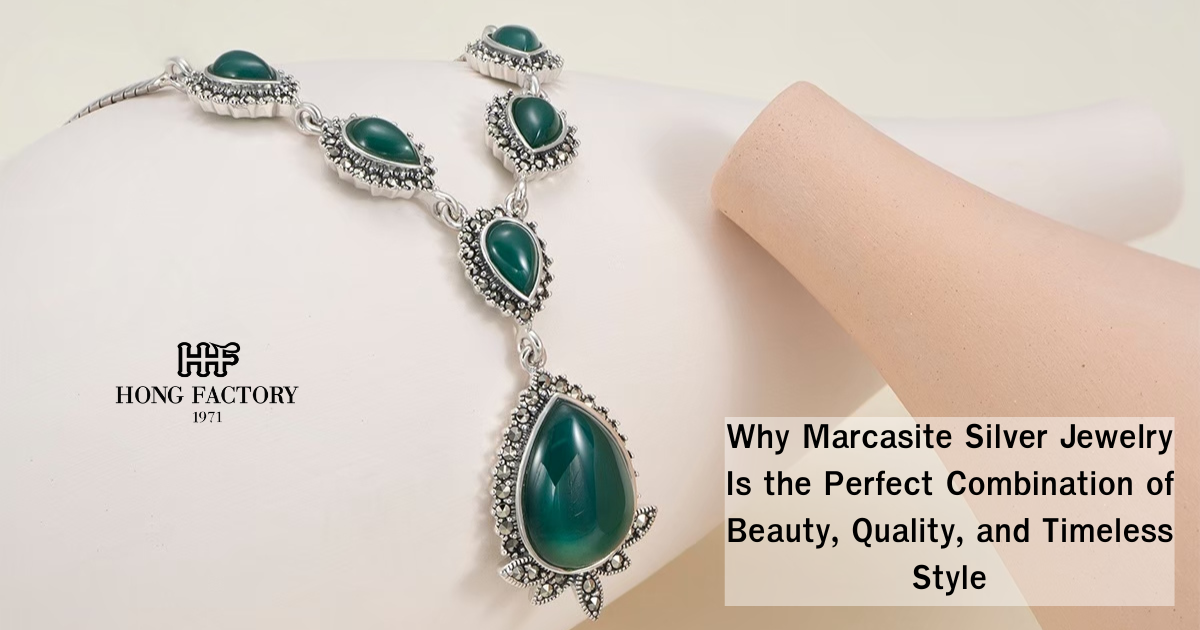
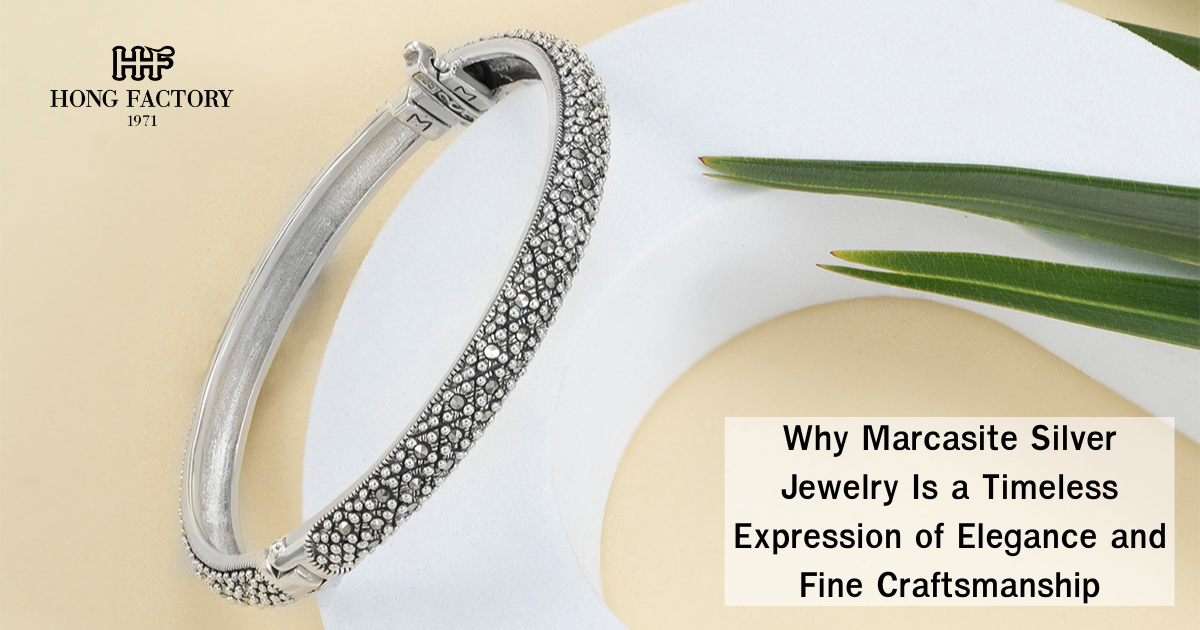
- Sterling silver for premium jewellery
Sterling silver is especially popular because it looks elegant and is suitable for long-term use.
Handmade Jewellery with Beads and Stones
Beads and stones are essential materials for many jewellery designs. They come in various shapes, sizes, and colors, allowing you to create unique pieces.
Common types include:
- Glass beads for colorful designs
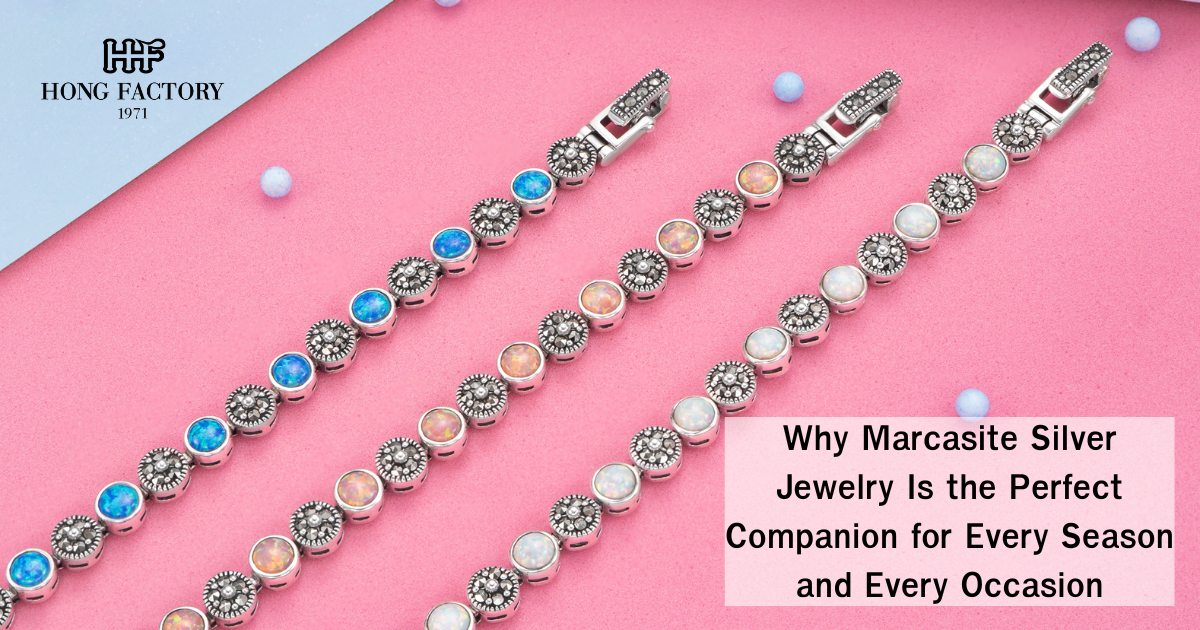
- Natural stones for a unique and organic look
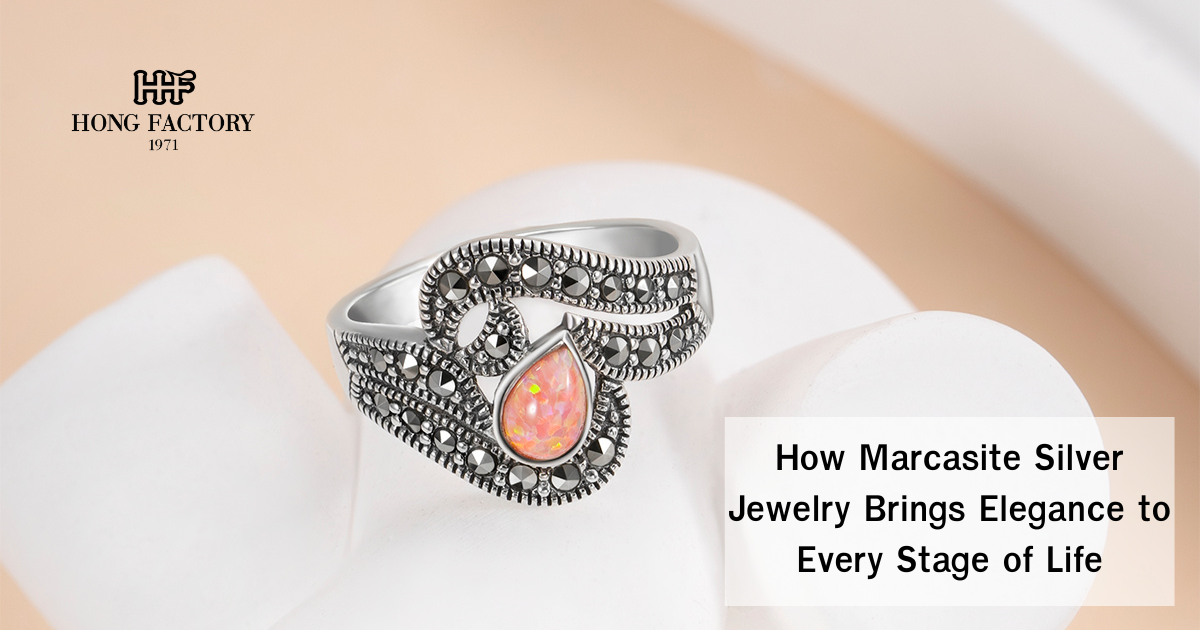
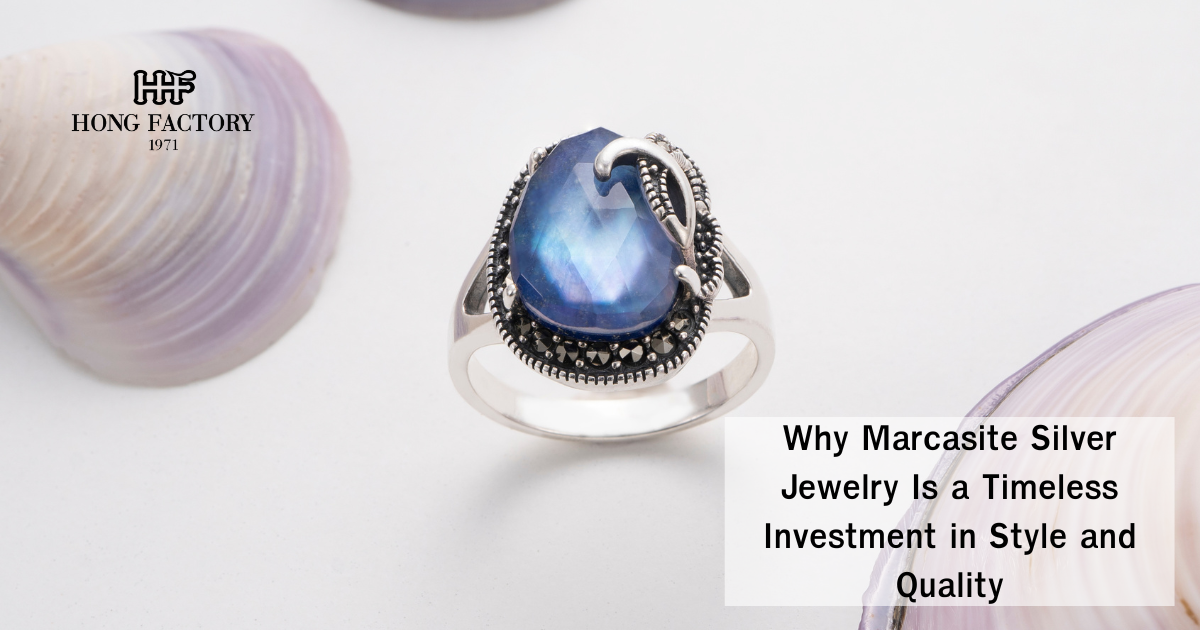
- Gemstones for high-value jewellery
- Wooden beads for a natural style
Using different types of beads can help you create a wide range of products.
Handmade Jewellery Using Resin and Clay
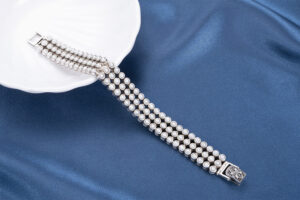
Resin and clay are modern materials that allow for creative and artistic designs.
- Resin is perfect for transparent or colorful designs and can include decorations inside
- Clay is lightweight and easy to shape, making it ideal for custom pieces
These materials are popular in modern handmade jewellery because they allow for unlimited creativity.
Choosing the Right Stringing Materials
Stringing materials are important for connecting different parts of your jewellery. Common options include:
- Nylon thread for durability
- Elastic cord for stretch bracelets
- Wire for structured designs
Choosing the right stringing material ensures that your jewellery is strong and long-lasting.
Handmade Jewellery Findings and Components
Findings are small components that hold your jewellery together. These include:
- Jump rings
- Clasps
- Earring hooks
- Crimp beads
Even though they are small, they play a very important role in the functionality of your jewellery.
How to Choose Quality Materials
When buying materials, you should always check for quality. Look for:
- Smooth finishes without rough edges
- Strong and durable components
- Consistent color and shape
- Trusted suppliers
Good materials will improve your final product and reduce customer complaints.
Where to Buy Handmade Jewellery Materials
You can find materials from many sources, including:
- Local craft stores
- Online marketplaces
- Wholesale suppliers
Buying in bulk can help reduce costs as your business grows.
Cost Management for Jewellery Materials
Managing material costs is important for maintaining profit. Tips include:
- Start with small quantities
- Test materials before buying in bulk
- Compare prices from different suppliers
- Avoid unnecessary waste
Keeping costs under control helps your business stay profitable.
Common Material Mistakes to Avoid
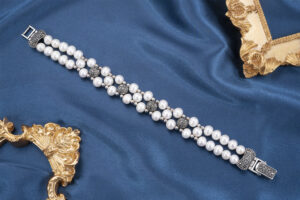
Beginners often make mistakes when choosing materials. Avoid these problems:
- Using cheap materials that break easily
- Mixing incompatible materials
- Ignoring durability and wear resistance
- Choosing materials that are hard to work with
Learning from these mistakes will improve your product quality.
Conclusion
Understanding handmade jewellery materials is essential for beginners. The right materials can make your products more attractive, durable, and valuable.
Start with simple materials, learn how they work, and gradually upgrade as your skills improve. With the right foundation, you can create high-quality handmade jewellery and build a successful business.