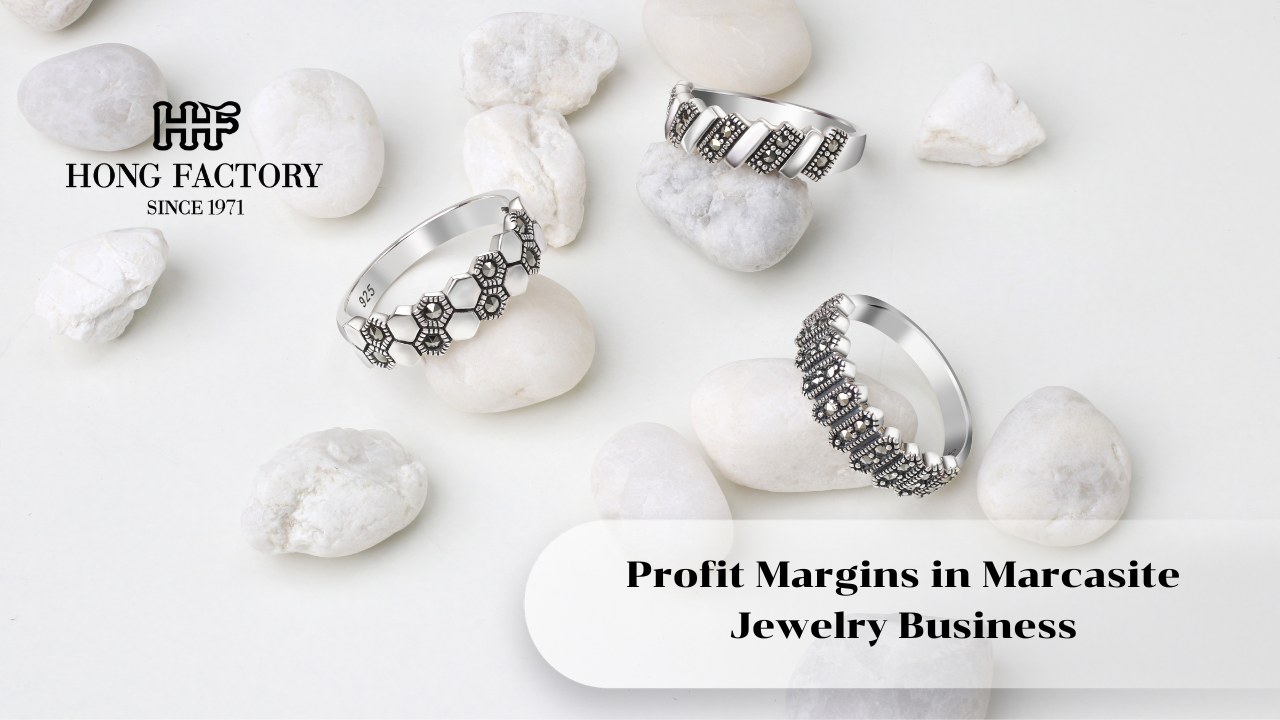
Profit margins are a critical indicator of business health in the jewelry industry. In the marcasite jewelry business, margins are shaped by craftsmanship intensity, material costs, supply chain structure, and brand positioning. Because marcasite jewelry relies heavily on hand-setting and detailed silverwork, understanding profit margins in the marcasite jewelry business helps manufacturers, wholesalers, and retailers build sustainable and competitive operations. Jewelery wholesale thailand
This article explains typical margin structures, influencing factors, and strategies to maintain healthy profitability without sacrificing quality.
Why Profit Margins Matter in Marcasite Jewelry

Margins determine long-term viability.
More Than Just Profit
Healthy margins support:
- Fair wages for skilled artisans
- Consistent quality control
- Investment in design and tooling
- Brand growth and marketing
Low margins often lead to compromised craftsmanship.
Typical Profit Margin Ranges
Margins vary by position in the supply chain.
Manufacturer Margins
Manufacturers typically operate on:
- 10–25% margins on wholesale orders
Margins depend on production efficiency, order volume, and labor costs.
Wholesaler Margins
Wholesalers usually target:
- 15–35% margins
These margins cover inventory holding, logistics, and buyer risk.
Retailer Margins
Retailers often apply:
- 50–70% gross margins
Retail margins support branding, customer service, and operational costs.
Craftsmanship as a Margin Influencer
Labor is the biggest cost factor.
Hand-Setting vs Automation
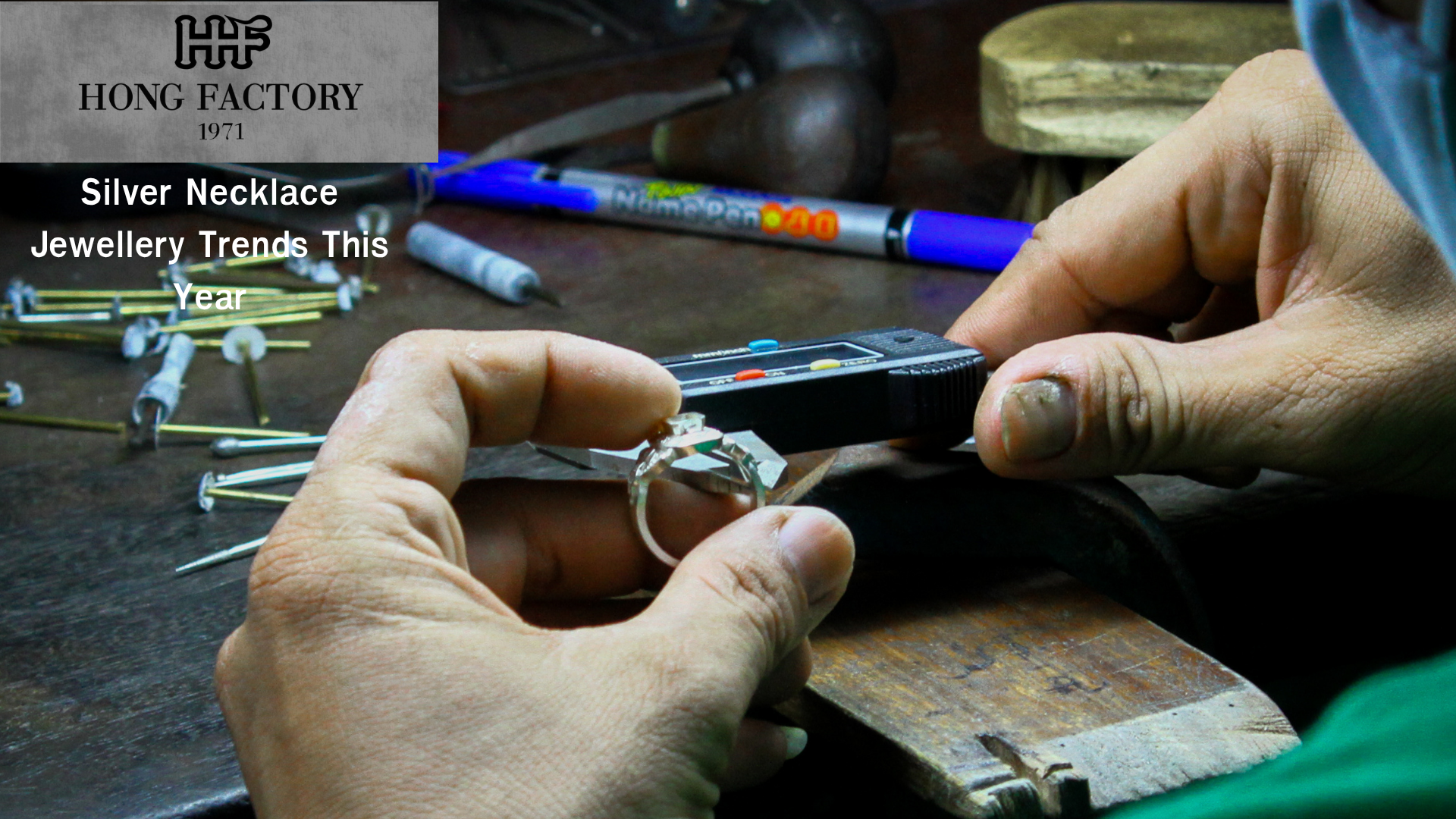
Because authentic marcasite jewelry relies on hand-setting:
- Labor costs are high
- Production speed is slower
- Skill level directly affects output
Higher craftsmanship increases cost but also justifies premium pricing.
Material Costs and Margin Pressure
Materials affect baseline costs.
Sterling Silver Price Fluctuations
Silver market volatility can squeeze margins if pricing is not adjusted in time.
Stone and Component Costs
While pyrite stones are affordable, sorting, cutting, and matching stones add labor expense.
Design Complexity and Profitability
Design decisions impact margins.
Simple vs Complex Designs
- Simple designs reduce labor time
- Intricate designs require more setting and inspection
Complex designs may offer higher margins if priced correctly.
Volume, Scale, and Margin Efficiency
Scale affects profitability.
Benefits of Higher Volume
- Lower per-unit overhead
- Better material pricing
- Improved workflow efficiency
However, volume should never compromise quality.
Quality Control Costs and Long-Term Margins
Quality control is an investment.
QC Impact
- Increases upfront cost
- Reduces returns and repairs
- Protects brand reputation
Strong QC improves long-term profitability.
Pricing Strategy and Margin Control
Pricing discipline is essential.
Effective Pricing Practices
- Regular cost reviews
- Transparent pricing models
- Clear differentiation between collections
Underpricing erodes margins quickly.
Brand Positioning and Margin Potential
Brand perception influences margins.
Premium vs Budget Positioning
Premium marcasite brands:
- Command higher margins
- Emphasize craftsmanship and heritage
Budget positioning requires tighter cost control and higher volume.
Wholesale vs Direct-to-Consumer Margins
Sales channels affect margin structure.
Direct-to-Consumer (DTC)
- Higher gross margins
- Increased marketing and fulfillment costs
Wholesale
- Lower margins per unit
- Predictable volume and cash flow
Balanced channel strategies reduce risk.
Inventory Management and Margin Protection
Inventory ties up capital.
Inventory Best Practices
- Avoid overproduction
- Monitor sell-through rates
- Adjust designs based on demand
Efficient inventory management protects margins.
Cost Leakage and Hidden Margin Erosion

Small issues add up.
Common Margin Killers
- Excessive rework
- High defect rates
- Poor supplier management
Identifying leaks improves profitability.
Labor Training as a Margin Strategy
Skilled workers reduce waste.
Training Benefits
- Faster production
- Fewer errors
- Higher consistency
Training investments pay off long-term.
Market Demand and Margin Flexibility
Demand creates pricing power.
Strong Demand Allows
- Selective price increases
- Limited editions with higher margins
Weak demand requires tighter cost control.
Sustainability and Ethical Margins
Responsible margins matter.
Ethical Profitability
- Fair wages
- Safe working conditions
- Long-term supplier relationships
Ethical practices support stable margins.
Measuring and Monitoring Margins
Data-driven decisions improve outcomes.
Key Metrics
- Gross margin by product line
- Labor cost per piece
- Return and defect rates
Monitoring ensures timely adjustments.
Building a Sustainable Margin Strategy
Long-term thinking is essential.
Balanced Approach
- Price for quality
- Invest in craftsmanship
- Control costs without shortcuts
Sustainable margins protect the entire value chain.
Conclusion
Profit margins in the marcasite jewelry business are shaped by craftsmanship intensity, material costs, pricing strategy, and market positioning. While margins may vary across manufacturers, wholesalers, and retailers, long-term profitability depends on maintaining quality, managing costs, and pricing responsibly. Businesses that respect craftsmanship while operating efficiently can achieve healthy margins that support growth, brand integrity, and lasting success in the marcasite jewelry market.