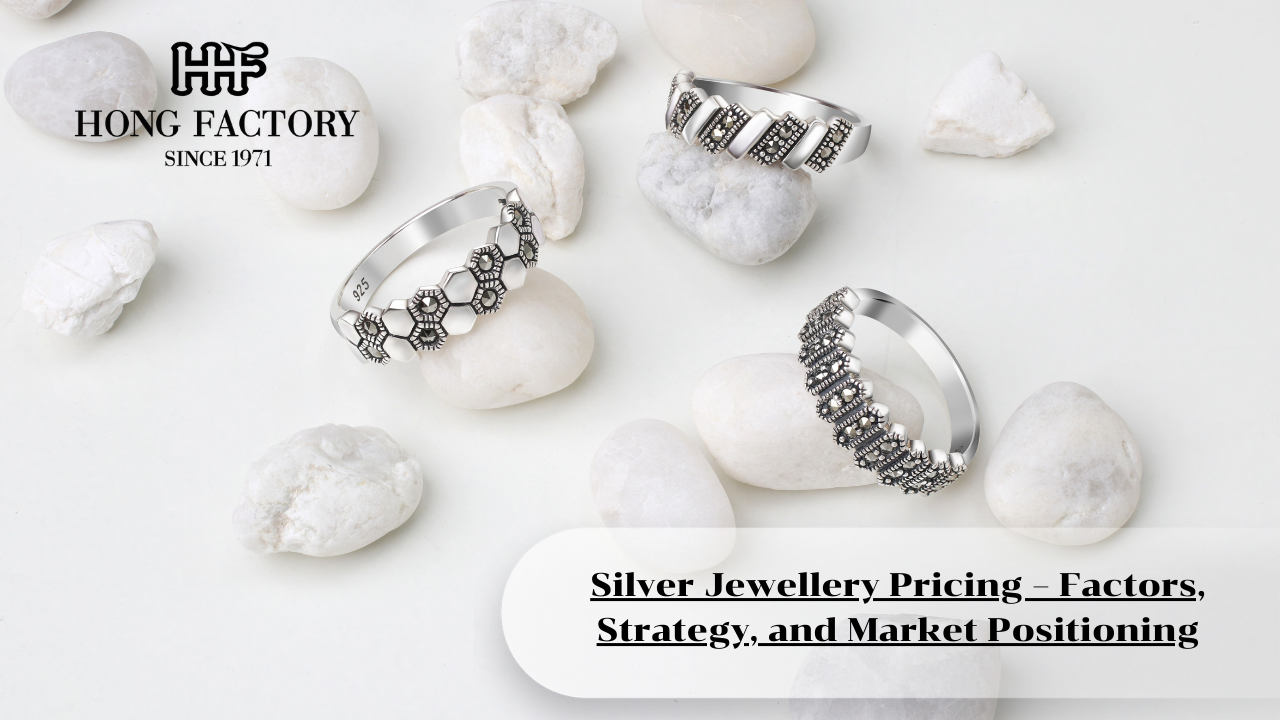
Introduction to Silver Jewellery Pricing
Silver jewellery pricing is a critical element that influences customer perception, competitiveness, and profitability. Setting the right price requires balancing material cost, craftsmanship, market demand, and brand positioning. A clear pricing strategy helps businesses remain competitive while maintaining sustainable margins. Jewellery wholesale thailand
What Silver Jewellery Pricing Involves
Silver jewellery pricing refers to how the final selling price of silver jewellery is determined. It includes the cost of jewellery silver, labor, design complexity, production scale, packaging, and distribution. Most pricing models are built around sterling silver due to its standardized purity.
Material Cost and Silver Weight
The price of silver jewellery is heavily influenced by silver weight and current silver market prices. Heavier pieces require more raw material, increasing base cost. Fluctuations in global silver prices can directly impact pricing decisions.
Craftsmanship and Design Complexity
Craftsmanship plays a major role in silver jewellery pricing. Handcrafted or intricate designs require more labor and skill, which raises production costs. Simple or minimalist designs generally allow for more competitive pricing.
Production Scale and Cost Efficiency
Large-scale production reduces per-unit cost through economies of scale. Factory-made silver jewellery often benefits from lower pricing, while custom or small-batch production typically carries a premium due to limited output.
Pricing Differences Between Retail and Wholesale
Silver jewellery pricing differs significantly between retail and wholesale markets. Wholesale pricing focuses on volume and lower margins per unit, while retail pricing includes branding, marketing, and customer service costs.
Market Positioning and Brand Strategy
Brand positioning strongly affects silver jewellery pricing. Premium brands price higher to reflect exclusivity and design value, while mass-market brands compete on affordability. Clear positioning ensures pricing aligns with target customers.
Competitive Analysis in Silver Jewellery Pricing
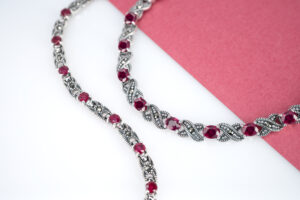
Understanding competitor pricing helps businesses position products effectively. Comparing similar designs, silver weight, and quality levels allows for strategic adjustments without undercutting brand value.
Psychological Pricing in Silver Jewellery
Psychological pricing techniques, such as tiered pricing or perceived value bundles, can influence purchasing decisions. Clear communication of quality and craftsmanship supports customer confidence at higher price points.
Pricing Transparency and Customer Trust
Transparent silver jewellery pricing builds trust. Clearly explaining materials, purity, and craftsmanship reduces confusion and increases buyer confidence, especially in online and international markets.
Business Benefits of a Strong Pricing Strategy
A well-structured silver jewellery pricing strategy improves profitability, inventory control, and brand reputation. Consistent pricing policies also support long-term customer relationships.
SEO Value of Silver Jewellery Pricing Content
From an SEO perspective, silver jewellery pricing targets high-intent commercial searches. When connected with keywords such as jewellery silver and sterling silver jewellery, it strengthens conversion-focused content clusters.
Conclusion
Silver jewellery pricing is a strategic balance of cost, value, and perception. By understanding pricing factors and aligning them with brand goals, businesses can compete effectively and achieve sustainable growth in the silver jewellery market.