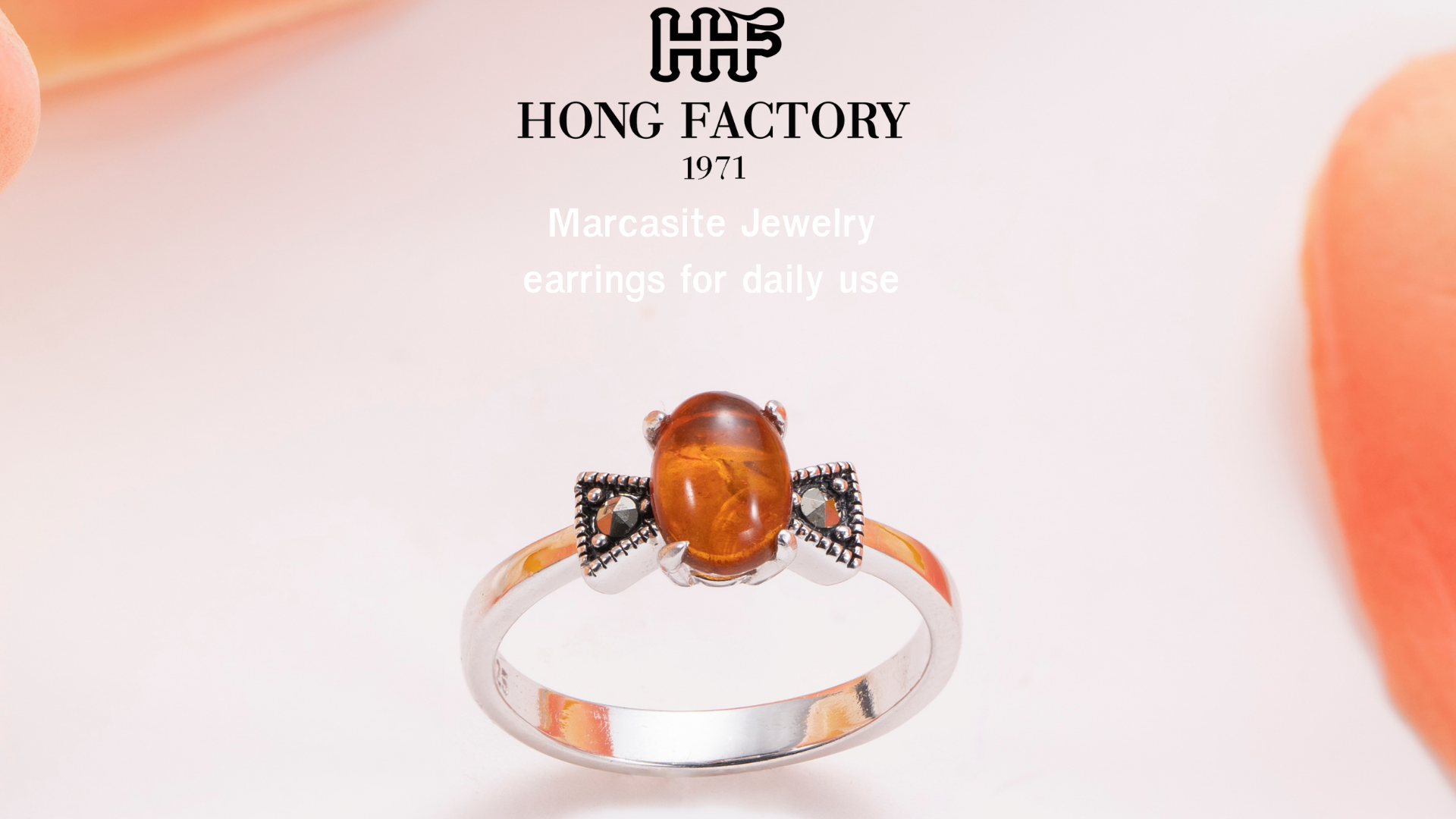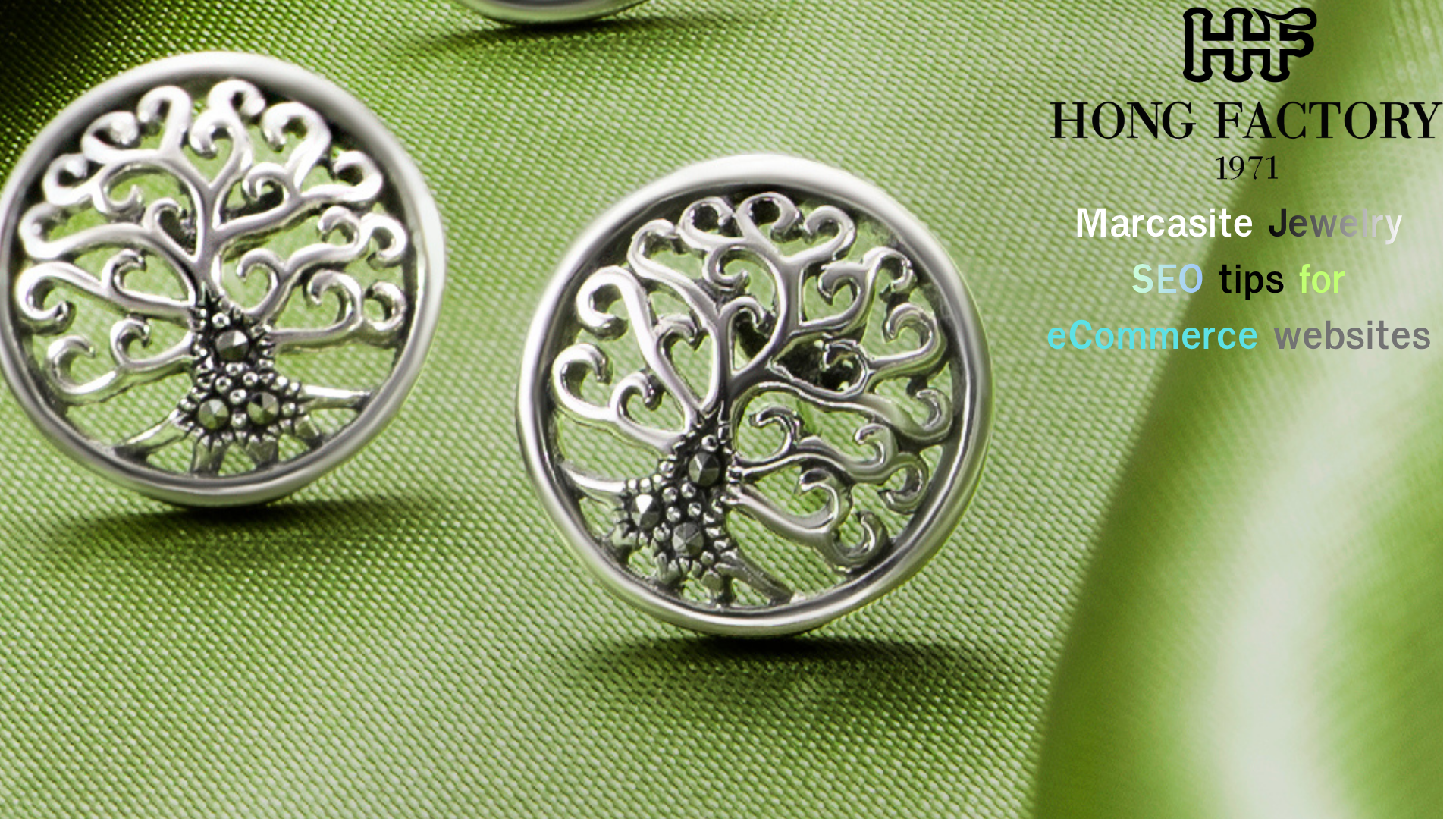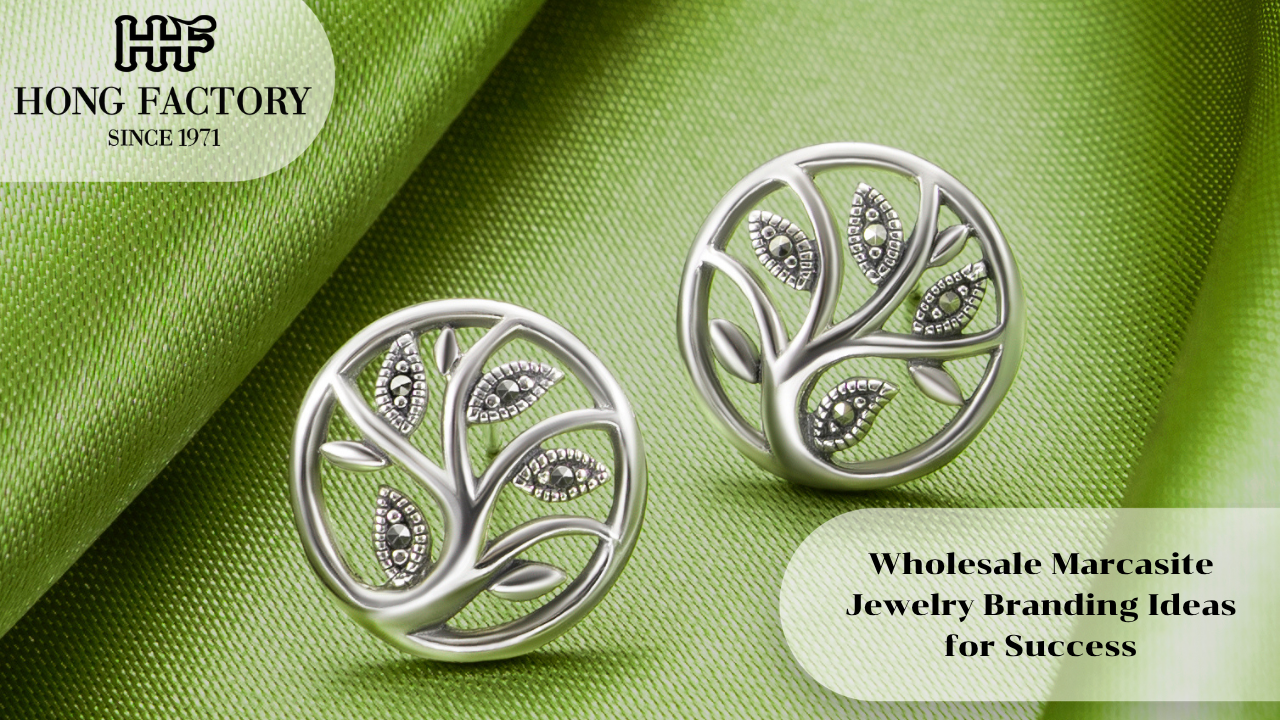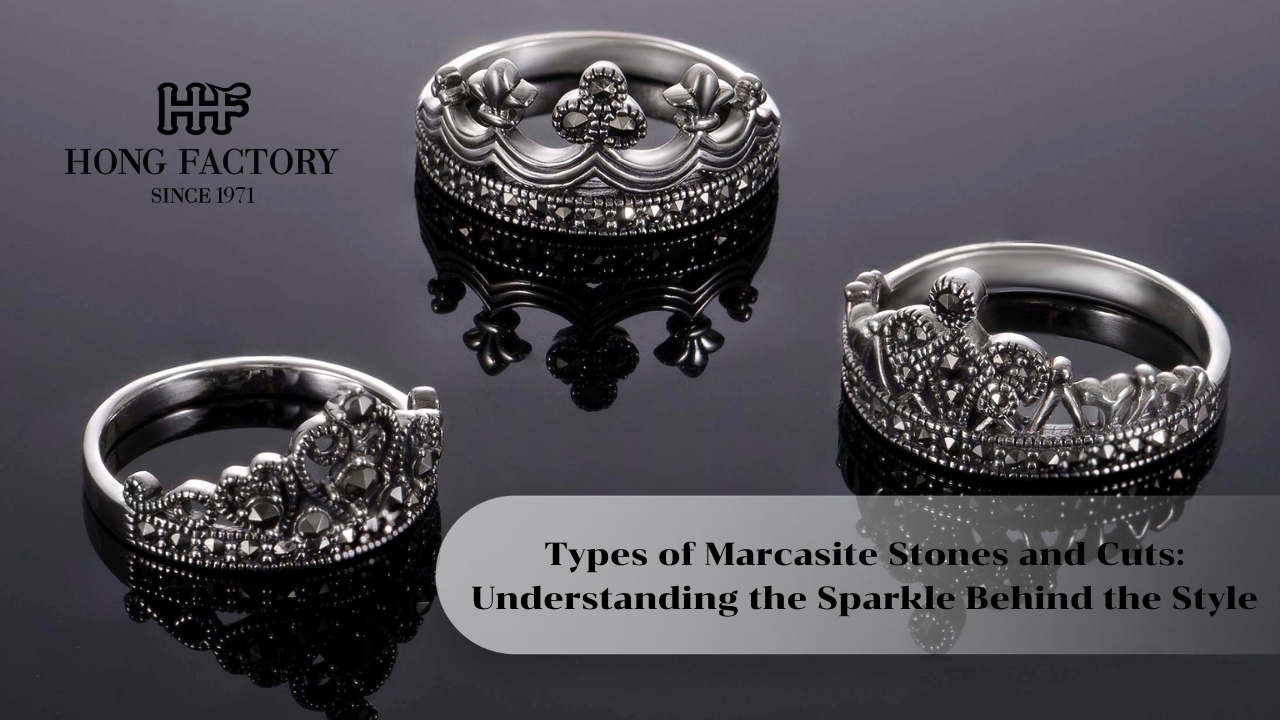
Marcasite jewelry is admired for its metallic shimmer, intricate detailing, and vintage charm. But what many people don’t realize is that its signature sparkle comes from the unique cuts, shapes, and types of marcasite stones used in each design. Understanding these variations helps buyers appreciate craftsmanship, choose the perfect style, and identify high-quality pieces. This guide explores the different types of marcasite stones and the specialized cutting techniques that create their iconic shine. Jewellery wholesale thailand
What Is Marcasite in Jewelry?
In jewelry, marcasite refers to pyrite, a naturally occurring mineral with a beautiful metallic luster. True marcasite (the mineral) is too brittle, so pyrite is used instead.
Characteristics of jewelry-quality marcasite:
- Metallic, smoky-gray shine
- Hard enough for faceting
- Reflects light beautifully through small cuts
- Works well with sterling silver
Pyrite’s ability to reflect light sharply makes it the perfect stone for marcasite jewelry.
Why Marcasite Cuts Matter
The brilliance of marcasite comes from its tiny faceted surfaces—each cut is designed to catch and reflect light.
Benefits of well-cut marcasite stones:
- Stronger sparkle
- More depth and dimension
- Enhanced vintage or Art Deco appeal
- Better overall quality and durability
Poorly cut stones lose sparkle and appear flat or dull.
Most Common Marcasite Stone Cuts
Marcasite stones typically come in micro sizes, but their shapes and cuts vary widely. Here are the most commonly used cuts in marcasite jewelry.
1. Rose Cut Marcasite
The rose cut is one of the oldest gemstone cuts.
Features:
- Domed top covered in triangular facets
- Flat bottom
- Creates a soft, vintage sparkle
This cut is heavily used in antique or Victorian-inspired marcasite pieces.
2. Table Cut Marcasite
A popular modern cut designed for clarity.
Characteristics:
- Flat top (table)
- Small facets on the sides
- Reflects light cleanly and brightly
Table-cut marcasite often appears in geometric or Art Deco designs.
3. Pyramid Cut Marcasite
This cut is shaped like a tiny, pointed pyramid.
Why it stands out:
- Strong, sharp light reflection
- Adds texture and depth
- Ideal for statement rings and brooches
It creates a bold, architectural sparkle.
4. Round-Faceted Marcasite
This is the most classic and universal cut.
Features:
- Symmetrical round shape
- Multiple facets for even sparkle
- Works in all jewelry types
Round cuts are found in earrings, rings, necklaces, and bracelets.
5. Square and Rectangular Cuts
These cuts give marcasite a modern edge.
Pros:
- Clean lines and geometric appeal
- Perfect for Art Deco styles
- Creates a sleek, structured look
Square cuts pair well with oxidized silver for dramatic contrast.
6. Teardrop or Pear-Shaped Marcasite
A more decorative cut often used in feminine jewelry designs.
Ideal for:
- Pendants
- Drop earrings
- Floral designs
Pear-shaped marcasite adds elegance and movement.
7. Oval Cut Marcasite
An elegant, elongated cut.
Common uses:
- Center stones in rings
- Vintage-inspired pendants
- Decorative brooch accents
Oval cuts create a graceful, antique aesthetic.
8. Marquise Cut Marcasite
A sophisticated cut resembling a pointed oval.
Benefits:
- Adds a refined, luxurious look
- Works beautifully in floral or leaf motifs
- Enhances elongated designs
Often used in high-end marcasite rings.
9. Heart-Shaped Marcasite
Perfect for romantic or symbolic jewelry.
Frequently seen in:
- Valentine’s Day gifts
- Heart pendants
- Sentimental rings
The facets on heart-shaped marcasite create a soft yet striking shine.
Specialty Marcasite Cuts and Shapes
Beyond standard cuts, some marcasite jewelry features specialty stones for creativity and uniqueness.
10. Micro-Faceted Stones
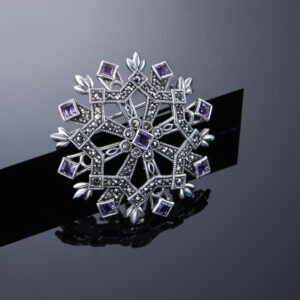
Extremely small marcasite stones used to create a glitter-like surface.
Advantages:
- High sparkle
- Smooth visual texture
- Excellent for halos or borders
11. Custom Carved Shapes
Some artisans carve marcasite into:
- Leaves
- Petals
- Abstract art shapes
These designs give marcasite a handcrafted, luxury feel.
12. Flat or Polished Marcasite (Less Common)
Used when a softer shimmer is desired.
Appearance:
- Smooth surface
- Minimal faceting
- Elegant and understated
This style is usually paired with vintage silver patterns.
How Stone Cut Affects Jewelry Style
Each cut offers a different visual effect.
For vintage lovers:
- Rose cut
- Oval cut
- Marquise cut
For modern or geometric designs:
- Table cut
- Pyramid cut
- Square cut
For playful or romantic pieces:
- Heart-shaped
- Pear-shaped
Understanding this helps buyers choose pieces that match their taste.
How to Identify High-Quality Marcasite Cuts
Look for these signs of quality craftsmanship:
1. Consistent faceting
Even, symmetrical facets reflect light better.
2. No chips or dull spots
Chips indicate poor handling or low-grade materials.
3. Clean and secure settings
Stones should sit tightly within their prongs.
4. Sharp, crisp edges
Blunt edges may indicate synthetic or low-quality marcasite.
Stone Size Considerations
Most marcasite stones range from 0.5 mm to 2 mm, creating that signature glittering effect.
Smaller stones:
- Create smooth, shimmering designs
- Are often used in detailed filigree
Larger stones:
- Provide more dramatic sparkle
- Often used as centerpieces in rings or pendants
Why Stone Cuts Influence Price
The more complex the cut, the higher the craftsmanship required.
Factors affecting price:
- Precision faceting
- Stone size
- Symmetry
- Custom shapes
Designer marcasite pieces often feature rare cuts or combinations of multiple stone types.
Conclusion
Marcasite jewelry owes its iconic sparkle and vintage charm to the diverse cuts, shapes, and types of marcasite stones used in its designs. From classic rose cuts to modern geometric shapes, each stone cut contributes its own beauty and personality. By understanding these variations, buyers can better appreciate craftsmanship, choose pieces that match their style, and recognize high-quality marcasite jewelry.
In the next chapter, we will explore marcasite silver settings, including different setting techniques and how they affect durability and aesthetics.