Introduction
Throughout human history, jewellery has served purposes far beyond decoration. It has represented cultural identity, artistic achievement, personal milestones, and family traditions. Among the many materials used in jewellery making, jewellery silver has maintained a special place because of its beauty, versatility, and enduring significance. From ancient civilizations to modern artisan workshops, silver has consistently been associated with exceptional craftsmanship and lasting value.
Silver jewellery reflects a rich heritage that spans centuries and continents. Skilled artisans have transformed silver into intricate works of art, preserving traditional techniques while adapting to contemporary design preferences. Whether worn as necklaces, rings, bracelets, earrings, or heirloom pieces, silver jewellery connects the past with the present while offering timeless appeal.
As consumers increasingly seek products that combine authenticity, quality, and longevity, silver jewellery continues to stand out as a meaningful investment. This article explores how jewellery silver embodies heritage, craftsmanship, and lasting value while remaining one of the most respected materials in the jewellery world.
Understanding Heritage in Jewellery
Heritage refers to traditions, skills, and cultural influences passed from one generation to another.
In jewellery, heritage often includes:
- Historical craftsmanship
- Cultural symbolism
- Traditional techniques
- Family legacies
Silver jewellery has played a significant role in preserving these elements throughout history.
The Historical Importance of Silver
Silver has been used in jewellery production for thousands of years.
Ancient civilizations valued silver for its:
- Beauty
- Durability
- Rarity
- Symbolic significance
Its continued popularity demonstrates its enduring importance.
Silver Jewellery Across Civilizations
Silver jewellery has appeared in numerous cultures, including:
- Ancient Egypt
- Greece
- Rome
- Persia
- Asia
- Europe
Each civilization contributed unique design elements and craftsmanship traditions.
Why Silver Remains Relevant Today
Many historical materials lose popularity over time.
Silver continues to thrive because it offers:
- Timeless aesthetics
- Practical durability
- Broad accessibility
These qualities allow it to remain relevant across generations.
The Role of Craftsmanship in Jewellery
Craftsmanship is one of the defining characteristics of fine jewellery.
High-quality craftsmanship emphasizes:
- Precision
- Skill
- Attention to detail
- Artistic expression
Silver provides an ideal medium for showcasing these qualities.
Traditional Silverworking Techniques
Many traditional silverworking methods remain respected today.
Examples include:
- Hand engraving
- Filigree work
- Repoussé techniques
- Metal forging
These methods contribute to the uniqueness of handcrafted silver jewellery.
Handcrafted Silver Necklaces
Necklaces often serve as showcases for artisan craftsmanship.
Popular handcrafted styles include:
- Pendant necklaces
- Lockets
- Symbolic designs
- Nature-inspired motifs
Silver necklaces frequently highlight intricate detailing and artistic skill.
Silver Rings and Heritage Design
Rings often carry historical and cultural significance.
Popular heritage-inspired styles include:
- Signet rings
- Family rings
- Traditional bands
- Engraved designs
Silver rings continue to reflect both personal and cultural identity.
Signet Rings and Historical Legacy
Signet rings have historically represented:
- Family heritage
- Social status
- Personal identity
Silver signet rings remain admired for their timeless elegance and symbolism.
Handcrafted Silver Bracelets
Bracelets offer opportunities for artistic creativity and detailed craftsmanship.
Popular examples include:
- Chain bracelets
- Cuff bracelets
- Charm bracelets
- Engraved bangles
Silver bracelets often showcase the skill of experienced artisans.
Silver Earrings and Artistic Expression
Earrings allow designers to explore:
- Shape
- Texture
- Movement
Popular handcrafted silver styles include:
- Stud earrings
- Hoops
- Drop earrings
These pieces combine functionality with artistry.
Artisan Jewellery and Cultural Preservation
Artisan jewellery often helps preserve traditional techniques that might otherwise disappear.
Supporting handcrafted silver jewellery encourages:
- Cultural continuity
- Skill preservation
- Artistic innovation
These benefits extend beyond the jewellery itself.
Heritage-Inspired Silver Designs
Many contemporary designers draw inspiration from historical sources.
Popular influences include:
- Ancient motifs
- Victorian aesthetics
- Art Nouveau details
- Cultural patterns
Silver remains a preferred material for these interpretations.
Silver Jewellery and Family Traditions
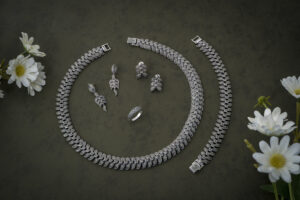
Jewellery often becomes part of family history.
Silver pieces may be:
- Gifted
- Inherited
- Restored
- Passed down
These practices strengthen emotional and cultural connections.
Heirloom Silver Jewellery
Heirloom jewellery represents one of the clearest examples of lasting value.
Silver heirlooms often include:
- Rings
- Lockets
- Bracelets
- Religious symbols
Their significance frequently increases over time.
Personalized Silver Jewellery
Customization adds deeper meaning to jewellery.
Popular personalization options include:
- Initials
- Family crests
- Important dates
- Meaningful messages
Personalized silver jewellery often becomes treasured keepsakes.
Lasting Value Beyond Fashion
True value extends beyond temporary trends.
Silver jewellery offers lasting value through:
- Durability
- Emotional significance
- Timeless style
These qualities support long-term ownership.
Silver Jewellery and Sustainability
Products designed to last often support sustainable lifestyles.
Silver jewellery contributes through:
- Longevity
- Recyclability
- Repairability
Its durability reduces the need for frequent replacement.
Sterling Silver and Premium Quality
Sterling silver contains 92.5 percent pure silver and remains the standard for fine silver jewellery.
Benefits include:
- Strength
- Reliability
- Beauty
- Long-term performance
Its quality supports both craftsmanship and longevity.
Caring for Silver Jewellery
Proper maintenance helps preserve beauty and value.
Recommended practices include:
- Regular cleaning
- Safe storage
- Gentle polishing
- Professional repairs when needed
Well-maintained silver jewellery can last for generations.
Silver Jewellery and Emotional Value
Many jewellery pieces become meaningful because of personal experiences.
Silver jewellery may commemorate:
- Weddings
- Anniversaries
- Births
- Achievements
These memories enhance long-term significance.
Collecting Heritage Silver Jewellery
Collectors often appreciate silver jewellery because of its:
- Historical relevance
- Artistic craftsmanship
- Cultural importance
These qualities make silver pieces highly desirable.
Silver Jewellery and Modern Luxury
Contemporary luxury increasingly values:
- Authenticity
- Craftsmanship
- Meaningful ownership
Silver jewellery aligns naturally with these priorities.
The Enduring Appeal of Handmade Craftsmanship
Handmade jewellery often offers qualities that mass-produced products cannot replicate.
These include:
- Individual character
- Artistic uniqueness
- Personal connection
Silver remains one of the most important materials in artisan jewellery.
Silver Jewellery and Future Generations
Well-crafted silver jewellery often survives long enough to be enjoyed by multiple generations.
Its durability allows it to become:
- Family heirlooms
- Cultural artifacts
- Personal legacies
These roles contribute to its lasting value.
Preserving Heritage Through Jewellery
Jewellery serves as a tangible link to the past.
Silver pieces help preserve:
- Family stories
- Cultural traditions
- Artistic achievements
Their continued appreciation ensures that heritage remains accessible.
Silver Jewellery as a Reflection of Quality
Quality is often measured by longevity and craftsmanship.
Silver jewellery demonstrates both through:
- Durable construction
- Timeless design
- Skilled artistry
These characteristics support enduring value.
The Future of Heritage and Craftsmanship
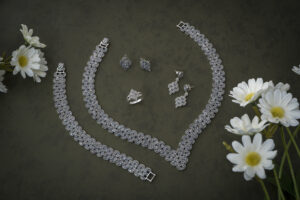
As consumers increasingly seek authenticity and sustainability, heritage-inspired jewellery is likely to remain highly valued.
Silver jewellery’s combination of:
- Historical significance
- Exceptional craftsmanship
- Lasting beauty
ensures its continued relevance.
Conclusion
Jewellery silver for heritage, craftsmanship, and lasting value offers an exceptional combination of history, artistry, durability, and emotional significance. Through necklaces, rings, bracelets, earrings, and heirloom pieces, silver jewellery preserves cultural traditions while supporting modern lifestyles.
Its connection to centuries of craftsmanship and its ability to retain both beauty and meaning over time make it one of the most valuable materials in the jewellery industry. As consumers continue prioritizing quality, authenticity, and long-term ownership, silver jewellery remains a powerful symbol of heritage and enduring value.
For individuals seeking accessories that combine timeless elegance with meaningful craftsmanship, silver jewellery continues to stand as one of the most rewarding and enduring choices available.